You may have seen the headlines: Porto has made public transport free. It’s true — and if you’re planning a trip, it almost certainly doesn’t apply to you.
Here’s the short version: in 2026, Porto introduced free public transport across the metropolitan area for registered residents of the city only. The free pass is tied to the Cartão Porto, a municipal card that proves you live in Porto. If you’re visiting, nothing has changed at the fare gates — you still need a paid Andante ticket for the metro, buses, and suburban trains.
And there’s a second twist that’s caught a lot of travelers off guard this summer: the Porto.CARD, the city’s official tourist pass that used to bundle attractions with unlimited transport, has been suspended since July 2026. So the two things a visitor might Google — “free transport” and “Porto Card” — both lead to confusion right now. This guide clears it up.
What exactly did Porto make free (and for whom)?
The free-fare program was one of Mayor Pedro Duarte’s flagship election promises. The city council approved it in April–May 2026, and the rollout was brought forward to summer 2026 after the technical setup finished ahead of schedule. The program costs the city an estimated €20–25 million a year.
What residents get is genuinely generous: free travel across the entire Andante integrated network — Porto Metro, STCP and Unir buses, CP suburban (urbanos) trains, and the river crossings integrated into the Andante system — throughout the metropolitan area, not just the city center.
What you need to qualify: residency in the municipality of Porto, verified through the Cartão Porto, activated at an Andante shop or Payshop outlet.
What this means for tourists: nothing. There is no visitor version, no hotel-guest exemption, no “free after activating a card” workaround. If a blog or TikTok tells you Porto transport is free for everyone, it’s wrong (or written by someone who skimmed a headline). One indirect effect may actually cost you money: the mayor has floated raising Porto’s tourist tax from €3 to €4 per night as one way to help fund the program.
So what do tourists actually pay in 2026?
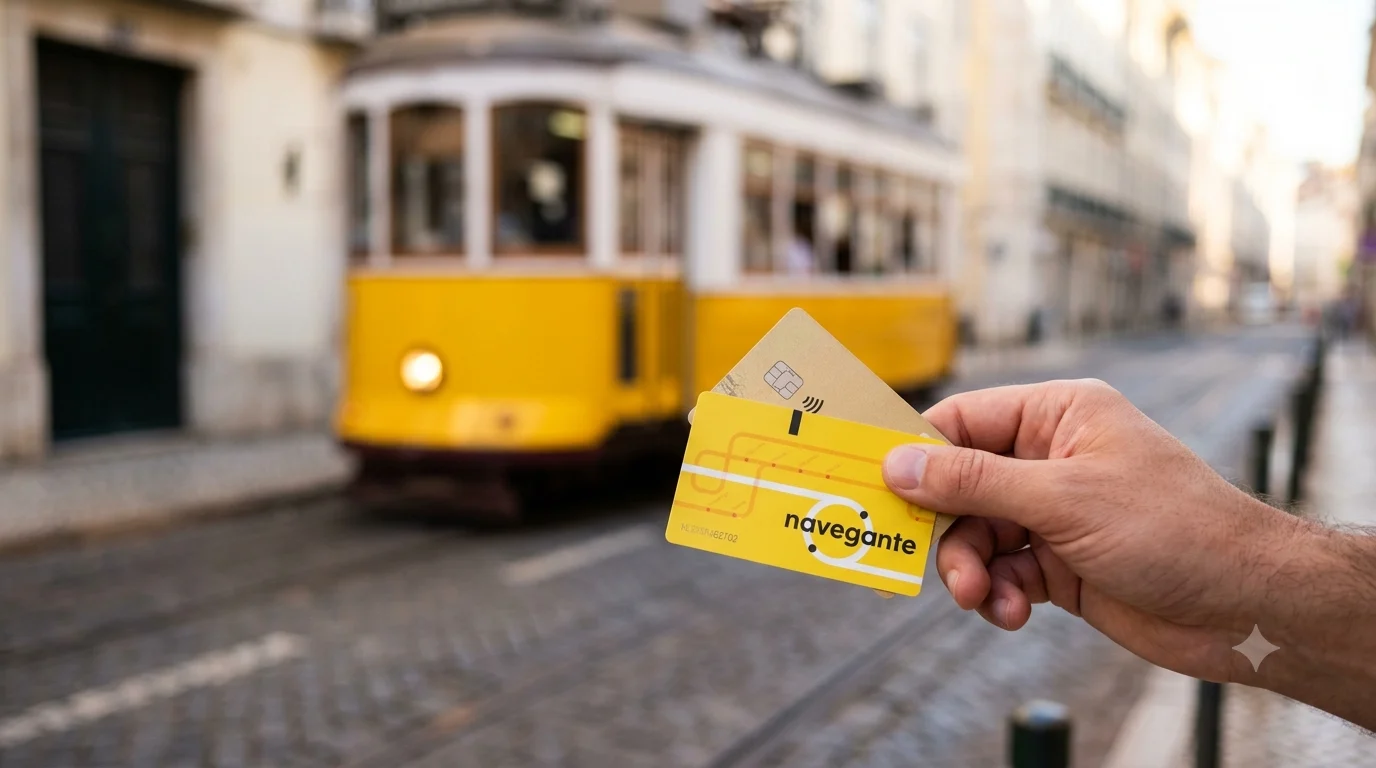
Porto’s system runs on the Andante card — a rechargeable card you buy once (€0.60 one-time fee) and load with single trips or day passes. It works across metro, STCP buses, and CP urban trains.
| Option | Best for | Notes |
|---|---|---|
| Andante single tickets (Z2–Z4 zones) | Short stays, few rides | Load onto a blue Andante card at metro machines; priced by zone |
| Andante 24h ticket | One heavy sightseeing day | Unlimited rides within your zones for 24 hours |
| Andante Tour Card | Most visitors | €7.75 for 24h (Tour 1) or €16.55 for 72h (Tour 3) — unlimited travel network-wide, all zones, no zone math. Not rechargeable. Sold at Andante shops, CP ticket offices, and Payshop agents. |
| Cash fare on the bus | Avoid | €1.85 per ride paid onboard — the most expensive way to travel |
Two things the Andante card does not cover, and this trips people up constantly:
- The historic trams (lines 1, 18, 22) are a separate ticket bought onboard — around €6 for a single ride as of 2026. They’re a tourist attraction, not transport.
- The Funicular dos Guindais (Ribeira ↔ Batalha) is also separate, about €4 per ride — though it genuinely saves you a brutal uphill climb.
One rule that will save you a fine: always validate. Tap your Andante card on the yellow validator every time you board, even with a day pass. Inspectors do random checks, and “I have a loaded card in my pocket” is not a defense.
Getting in from the airport
The free network doesn’t help you here either, but the paid option is excellent: Metro Line E (purple) runs from Francisco Sá Carneiro Airport to the city center in about 30 minutes, and buses 601, 602, 604 and the 3M night bus cover the same route. It’s one of the cheapest airport connections in western Europe.
If you’re landing late, traveling with luggage for a group, or staying outside the metro’s reach, a pre-booked transfer is the stress-free alternative — a driver meets you at arrivals for a fixed price.
👉 Book a Porto airport transfer with Welcome Pickups
What happened to the Porto.CARD?
This is the part almost no one has written about properly yet. The Porto.CARD — the official city pass that combined museum entry, discounts, and public transport — has been suspended since early July 2026, officially due to a “restructuring of the product.” The transport-inclusive version had already disappeared back in March 2026. A discounts-only version (the “Walker”) has floated in and out of availability.
Practically, this means the old advice of “just get the Porto Card, it covers everything” is dead for now. The 2026 playbook for visitors is:
- Andante Tour Card for getting around.
- Book attractions individually online — the popular ones (port wine cellars, Douro cruises) sell out in high season anyway, so pre-booking beats any card discount you’re not getting.
The attractions worth booking ahead
Since you’ll be booking à la carte this year, these are the experiences where reserving online actually matters:
Port wine cellars in Vila Nova de Gaia. The cellars are the one thing you shouldn’t wing in summer — English-language tour slots fill up. The Cálem cellar tour with its interactive museum is the best-value classic (over 4,700 reviews, from about €25) 👉 Book the Cálem cellar tour & tasting. If you want depth over a single cellar, the guided walking tastings hit multiple producers in one afternoon: the port wine tour with 7 tastings or the Port & Douro walking tour with 9 tastings.
The Six Bridges Cruise. A 50-minute ride on a traditional rabelo boat under all six of Porto’s bridges, from around €20. It’s the cheapest “wow” in the city and pairs perfectly with a Gaia cellar visit on the same afternoon. 👉 Six Bridges Cruise on a rabelo boat
Hop-on hop-off bus. Normally we’d tell you the metro beats the tourist bus — but with the Porto.CARD gone, the 48-hour combo tickets that bundle the bus with a river cruise and a wine cellar visit have quietly become the closest thing Porto has to a city pass right now. 👉 Hop-on hop-off bus + river cruise + wine cellar combo (or the standard City Sightseeing hop-on hop-off)
Douro Valley on your own schedule. Porto’s public transport won’t take you to the vineyard terraces — the Douro Valley is a guided-tour or rental-car job. If you’d rather explore the quintas at your own pace (and stop at every viewpoint on the N-222, regularly voted one of the world’s most scenic roads), renting a car for a day or two is the flexible option. 👉 Compare car rental prices in Porto
Will Porto’s transport ever be free for tourists?
Unlikely any time soon. The program’s funding logic is built around compensating operators per resident trip, and the mayor has been explicit that visitors are expected to contribute more (see: the tourist tax proposal), not less. If anything changes, we’ll update this guide.
If you want a European city where transport genuinely is free for you as a visitor, that’s Luxembourg — the only country with fare-free public transport nationwide, tourists included.
FAQ
Is public transport in Porto free in 2026?
Only for registered residents of Porto municipality, via the Cartão Porto. Tourists and visitors pay normal Andante fares.
Is the Porto Card still available?
The Porto.CARD with public transport was discontinued in March 2026, and sales of the card overall have been suspended since July 2026 during a restructuring. Plan your trip with a separate Andante ticket and individually booked attractions.
What’s the cheapest way for tourists to use Porto’s public transport?
An Andante card loaded with single tickets for light use, or the Andante Tour Card — €7.75 for 24 hours or €16.55 for 72 hours, all zones — if you’ll ride more than a few times a day. Never pay cash on the bus — it’s the most expensive fare.
Does the Andante card cover the historic trams?
No. The vintage trams and the Guindais funicular require separate tickets bought on the spot.
How do I get from Porto Airport to the city center?
Metro Line E (purple) in about 30 minutes, or buses 601/602/604. Pre-booked private transfers are the comfortable option for late arrivals or groups.