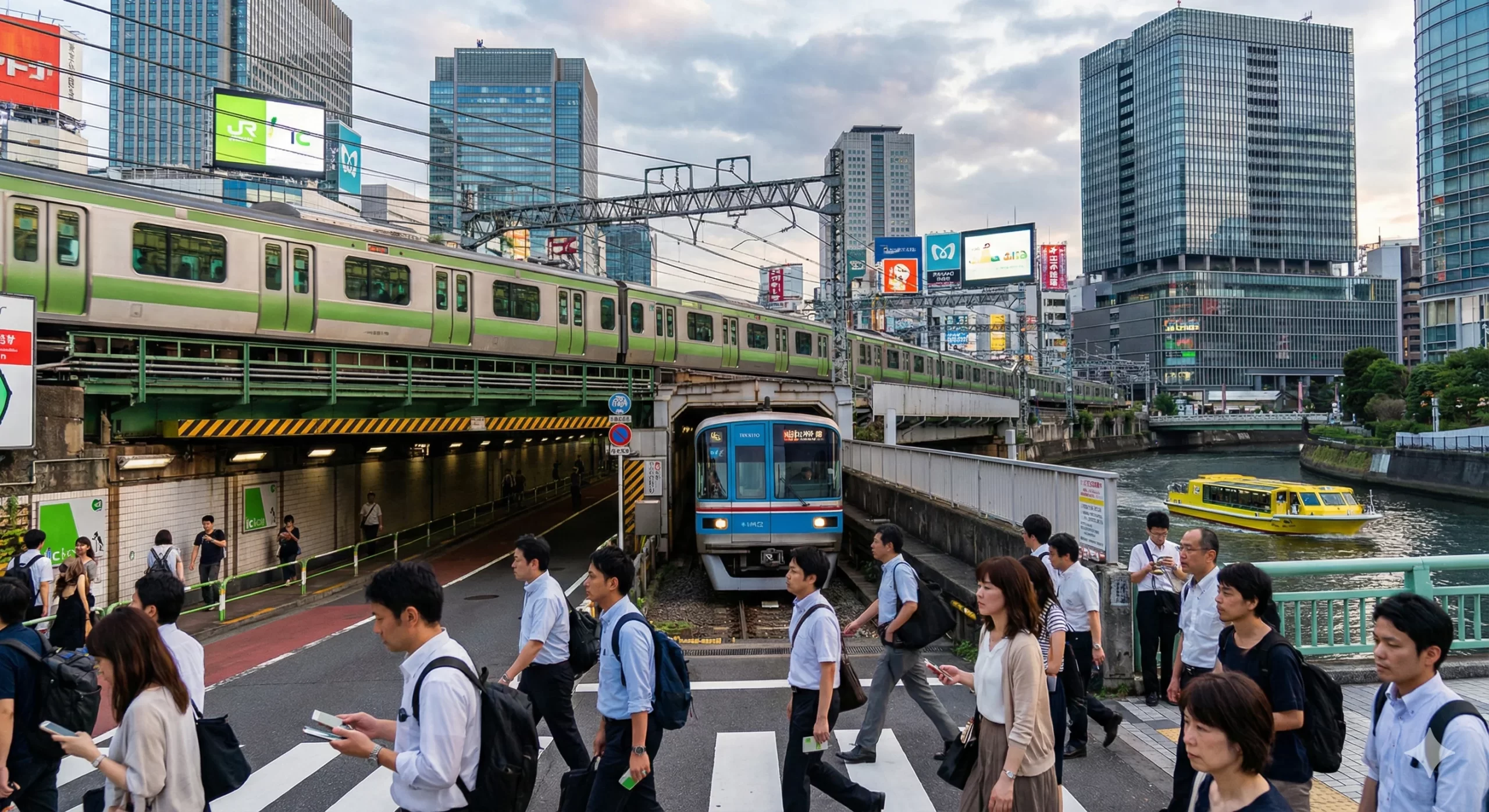
Tokyo boasts one of the world’s most efficient, punctual, and extensive public transport networks. But let’s be honest: looking at that subway map for the first time can be intimidating. With over 800 stations, multiple operators (JR, Tokyo Metro, Toei), and a web of private railways, it is easy to feel overwhelmed before you even step on a train.
Whether you are trying to figure out the difference between a Suica and a PASMO, or deciding which train to take from Narita Airport, proper planning is the key to a smooth trip.
I have just published a comprehensive, deep-dive guide to navigating Tokyo’s transit system like a pro. From avoiding rush hour crushes to finding the most scenic train routes, this guide covers every detail you need for your itinerary.
Read the Full Guide: Public Transport in Tokyo
What You Will Learn in the Guide
We go beyond the basics of “how to buy a ticket” and dive into the logistics that actually matter for travelers. Here is a preview of what is covered:
1. The IC Card “Chip Shortage” Update
You may have heard that IC cards (rechargeable transit cards) are the best way to travel. However, sales of standard physical Suica and PASMO cards are currently suspended. My guide explains exactly how to get the tourist-exclusive Welcome Suica or Pasmo Passport at the airport, or how to set up a Mobile IC card on your phone before you even arrive.
2. Airport Transfers Demystified
Getting from Narita (NRT) or Haneda (HND) to central Tokyo is your first challenge.
- From Narita: Should you take the premium Narita Express (N’EX) or the faster Keisei Skyliner?
- From Haneda: Is the Monorail or the Keikyu Line better for your hotel location?I break down the costs, travel times, and luggage considerations for every option.
3. Saving Money with Passes
Is the JR Pass worth it for a Tokyo-focused trip? Usually, the answer is no. I break down the better alternatives, such as the Tokyo Subway Ticket (24/48/72 hours) and the JR Tokyo Wide Pass, helping you calculate the best value based on how many trips you plan to take per day.
4. Scenic Routes & Unique Experiences
Public transport in Tokyo isn’t just about efficiency; it can be a sightseeing experience in itself. The guide highlights:
- The Yurikamome Line: A driverless train offering panoramic views of the bay and Rainbow Bridge.
- The Water Bus: A cruise down the Sumida River from Asakusa to Odaiba.
- The Enoden Line: A charming local train running along the coast near Kamakura.
Essential Travel Tips
To ensure you travel comfortably, the guide also includes critical tips on etiquette and timing:
- Avoid the Rush: Learning exactly when the infamous morning and evening rush hours occur (and how to avoid them).
- Last Trains: Unlike some global cities, Tokyo trains stop running around midnight. We cover what to do if you miss the last connection.
- Accessibility: Detailed information on elevators, station assistance, and accessible routes for travelers with mobility needs.
Start Planning Your Route
Don’t let the complexity of the network stop you from exploring. Once you understand the logic of the Yamanote Loop and the convenience of the subway system, the entire city opens up.
Check out the full guide below to get prepared for your Tokyo adventure.
👉 Click here for the Complete Guide to Public Transport in Tokyo